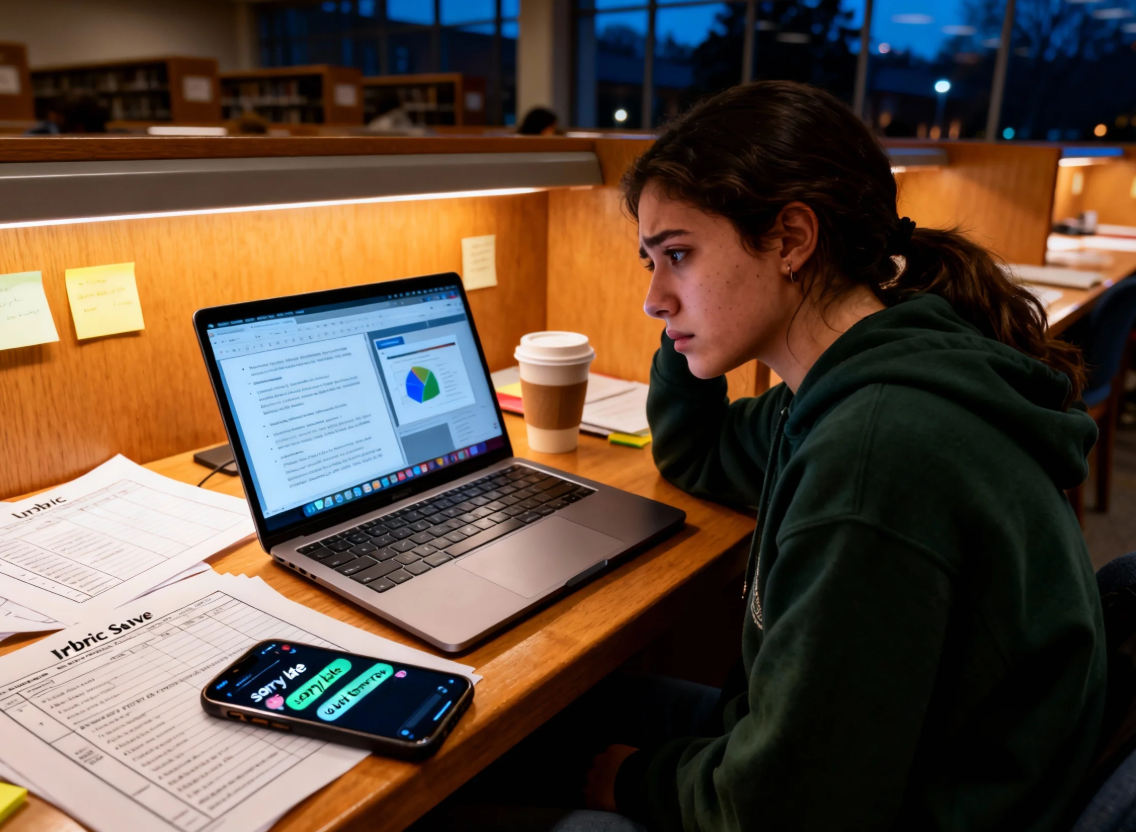

引用写着写着变“假文献”?留学生如何检查与清理 Fake Reference 防止学术事故

Can citations become "fake references"? How can international students check and remove fake references to prevent academic misconduct?

For international students, academic integrity is a red line, and "fake references" are often a major source of unintentional errors. This article provides an in-depth analysis of common sources of citation errors, offers a manual "safety net" self-check process, and introduces how to use the AI tool DiffMind for batch scanning and format cleaning to help you avoid citation risks and ensure that every reference is authentic and traceable.
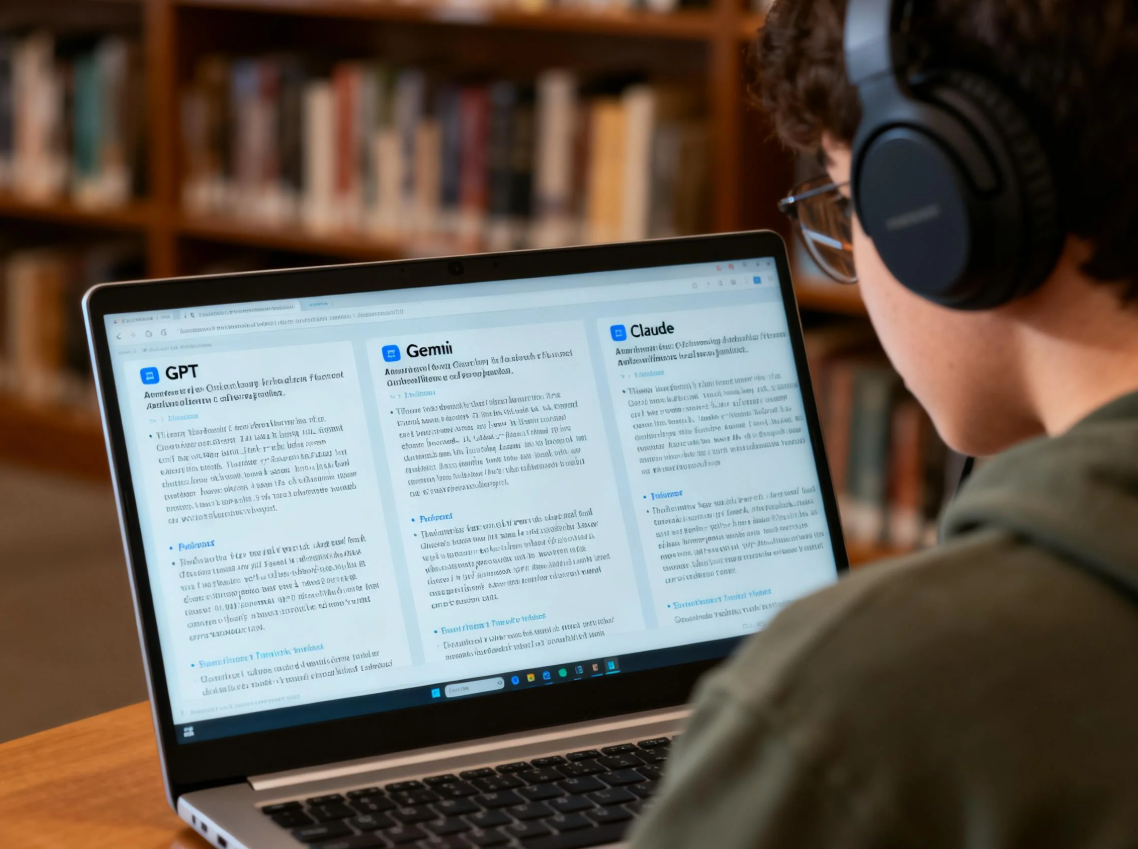
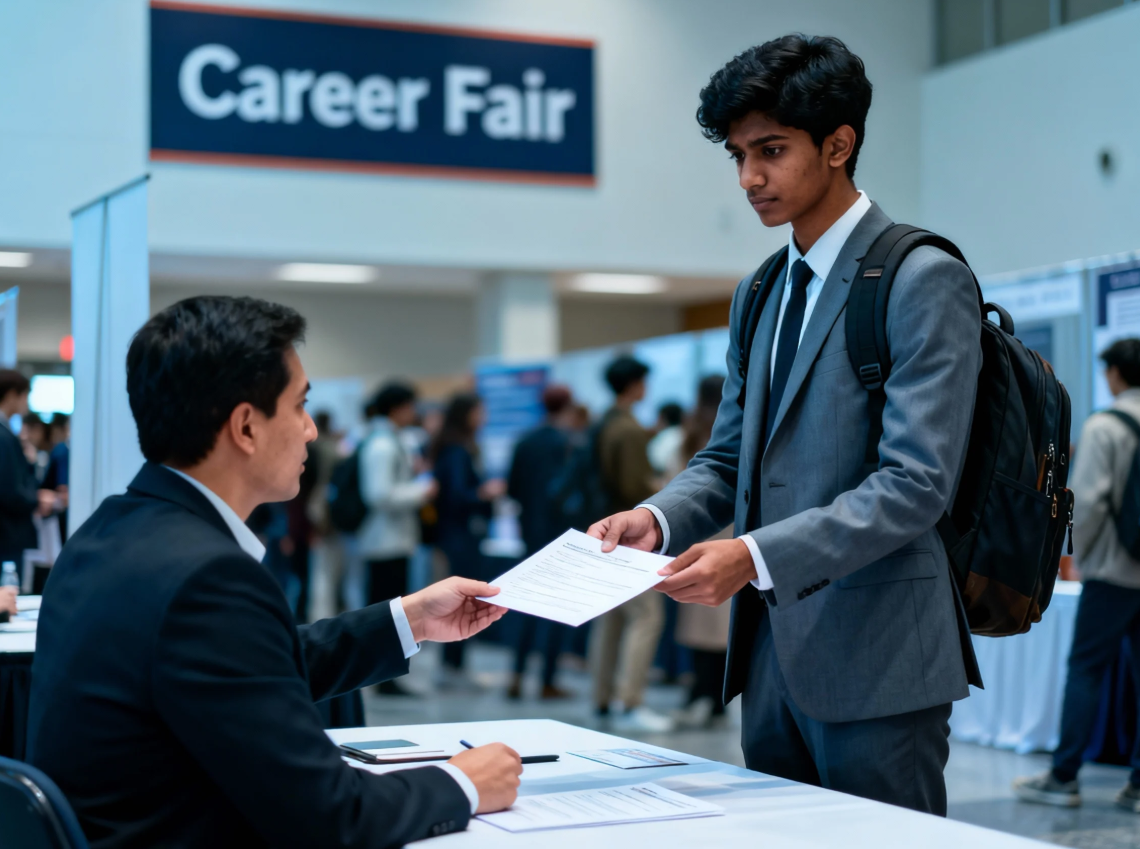
Cover Letter 写到像模板?留学生如何用多风格生成写出“像你本人”的求职信

Is your cover letter written like a template? How can international students use multiple style generators to write a cover letter that truly reflects your personality?

Still struggling with job application writing? Do every cover letter look like a copy-paste, making them instantly identifiable by HR? This article breaks down common cover letter pitfalls for international students, offering help from "generic templates" to "personalized" cover letters. Master the core logic of "motivation—match—value," and utilize the AI cover letter styles tool DiffMind to generate multiple style versions with a single click, bidding farewell to Chinese-style expressions and writing professional yet authentic cover letters.
CV 投了 50 份没回音?留学生如何用多版本对比把简历从 0 升级到专业款(含 ATS 关键词与版本对比流程)

50 CVs submitted with no response? How can international students upgrade their resumes from 0 to a professional one by comparing multiple versions (including ATS keyword and version comparison process)?

Sending out dozens of CVs without getting a response might not be because you're not qualified, but because your resume didn't pass the ATS (Application Skills Test) or didn't align with the job description. This article uses a "multi-version comparison" method to break down common resume pitfalls for international students: missing keywords, rambling "responsibility for" statements, and ATS-unfriendly formatting. It also provides a practical fallback process and checklist to help you create a more professional resume tailored to the job requirements.
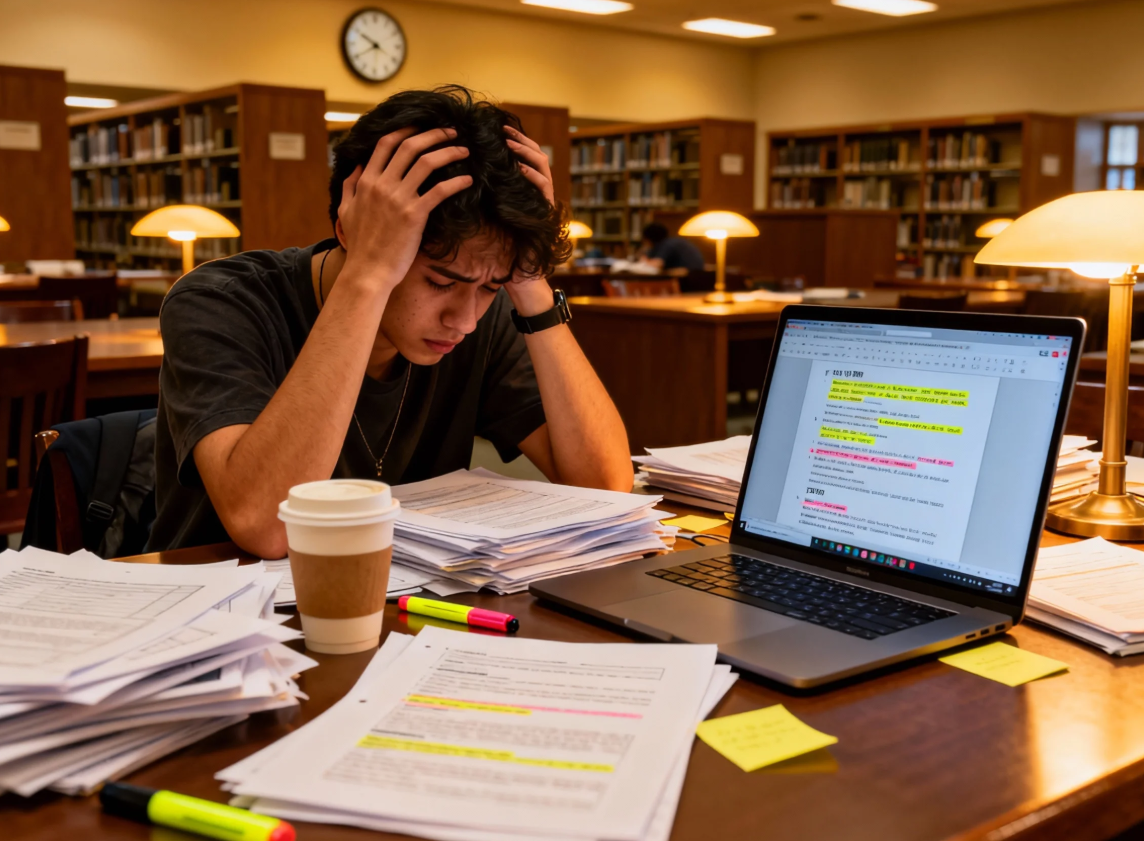
读 10 篇文献读到崩溃?留学生如何自动化文献总结省下两小时(含可直接套用流程+Checklist)

Feeling overwhelmed after reading 10 papers? How international students can automate literature summarization and save two hours (including a directly applicable workflow and checklist)

Reading literature until the library closes, writing literature reviews but only remembering "this article seems to support that viewpoint"? This article provides international students with a comprehensive academic reading workflow: extracting 6 elements per article, creating a topic comparison table, writing comparison paragraphs by topic clustering, extracting research gaps, and explaining how to use DiffMind for AI literature summarization and field integration, saving at least two hours.
Essay 写到一半发现结构崩了?留学生如何用“结构对照”把文章救回来

Did your essay fall apart halfway through writing? How can international students use "structural comparison" to salvage their essays?

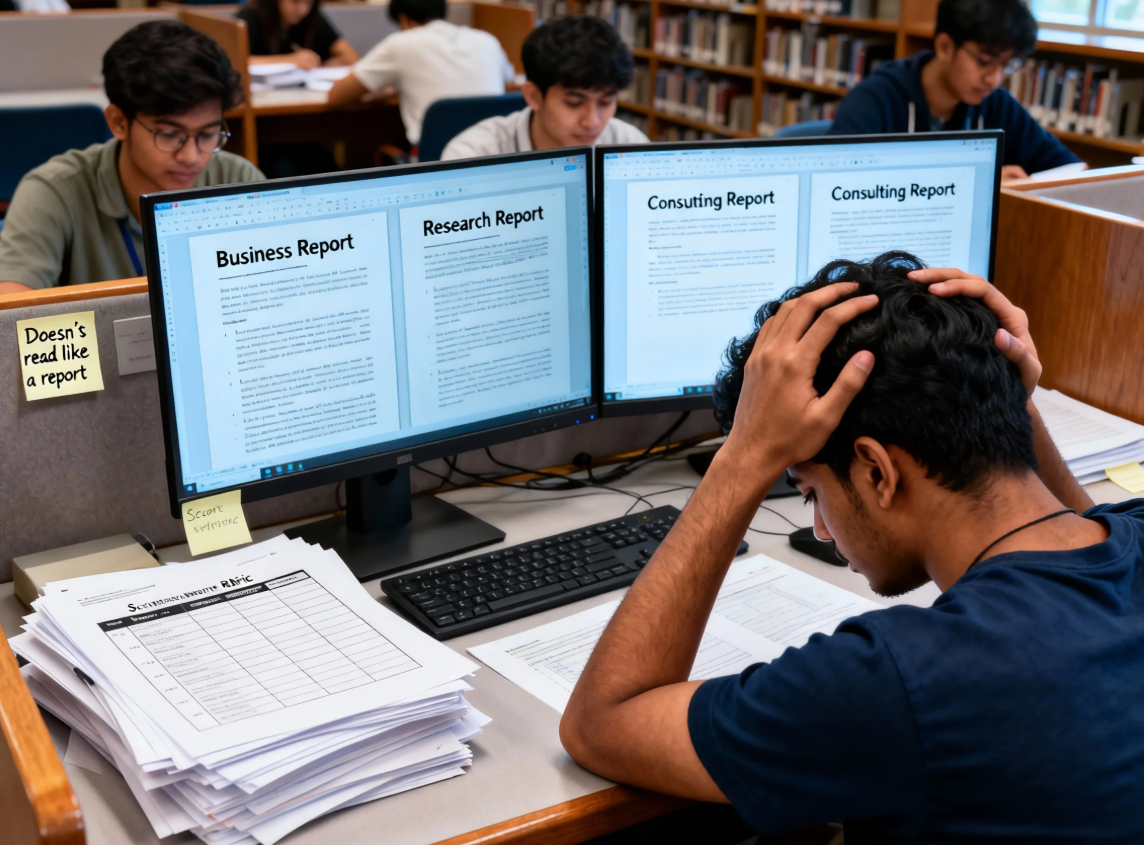
Essay writing faltering halfway through: arguments veering off-topic, paragraphs resembling a patchwork, and tutors saying "no argument"? This article uses real-life scenarios of international students struggling with writing to break down common essay structure problems and provides a fallback "structure comparison" process: working backward from the rubric to the thesis, filling in paragraphs according to viewpoint-evidence-analysis, and then comparing different outlines using multiple models to quickly salvage a draft into a deliverable version. Suitable for those needing essay structure help, academic writing for international students, or AI-generated essay outlines.
小组作业队友划水?留学生如何一个人救全流程(附自救 Checklist + DiffMind 用法)

Teammates slacking off on group projects? How an international student can single-handedly save the day (with a self-rescue checklist and DiffMind usage instructions)

International students often dread encountering teammates who "read but don't reply, submit drafts that are like riddles, or disappear on the last day" when doing group assignments. This article uses realistic, venting scenarios to break down common pitfalls in group assignments and provides a "personal fallback process" (handling everything from project initiation, follow-up drafts, integration, logical corrections, to formatting and presentations all in one go). It also explains how DiffMind can help you quickly integrate others' content, fill logical gaps, and unify your presentation style. Finally, it includes a self-help checklist that you can directly copy, making it suitable for international students who need help with group assignments.
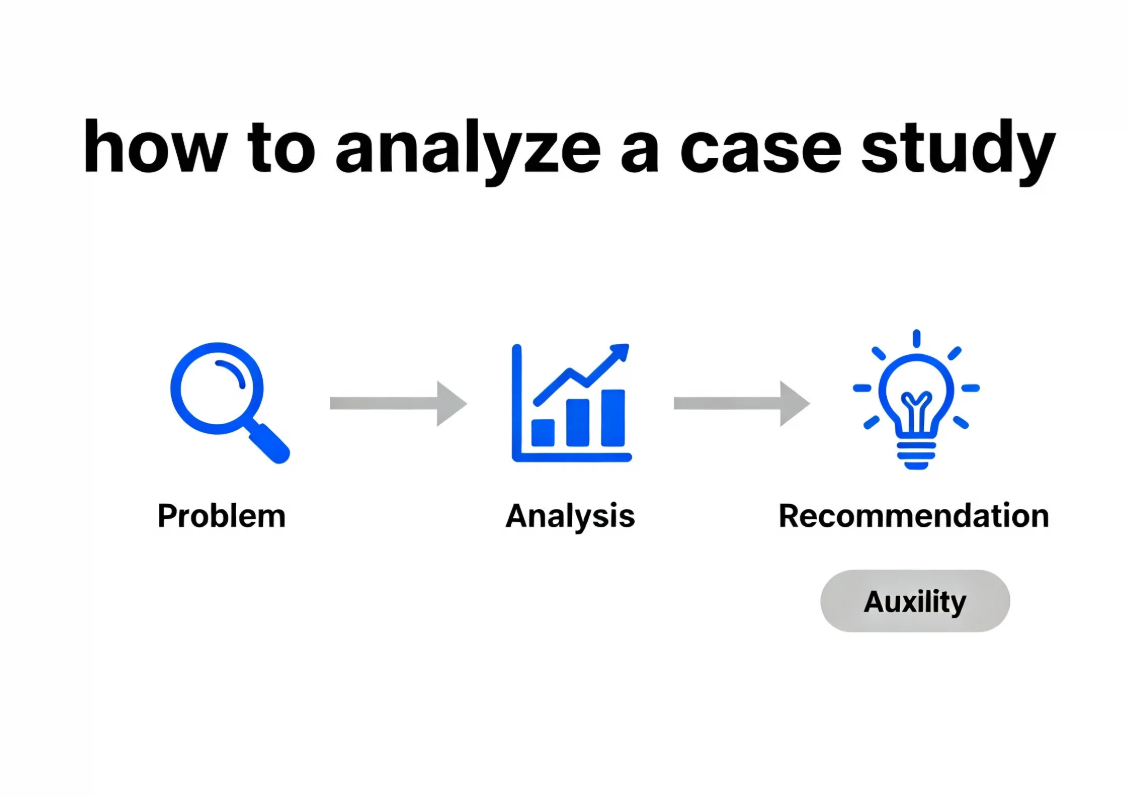
How to Analyze a Case Study:Case Study 分析卡住?留学生通用分析路径(含模板)

How to Analyze a Case Study: Stuck in Case Study Analysis? A General Analysis Path for International Students (Including Templates)

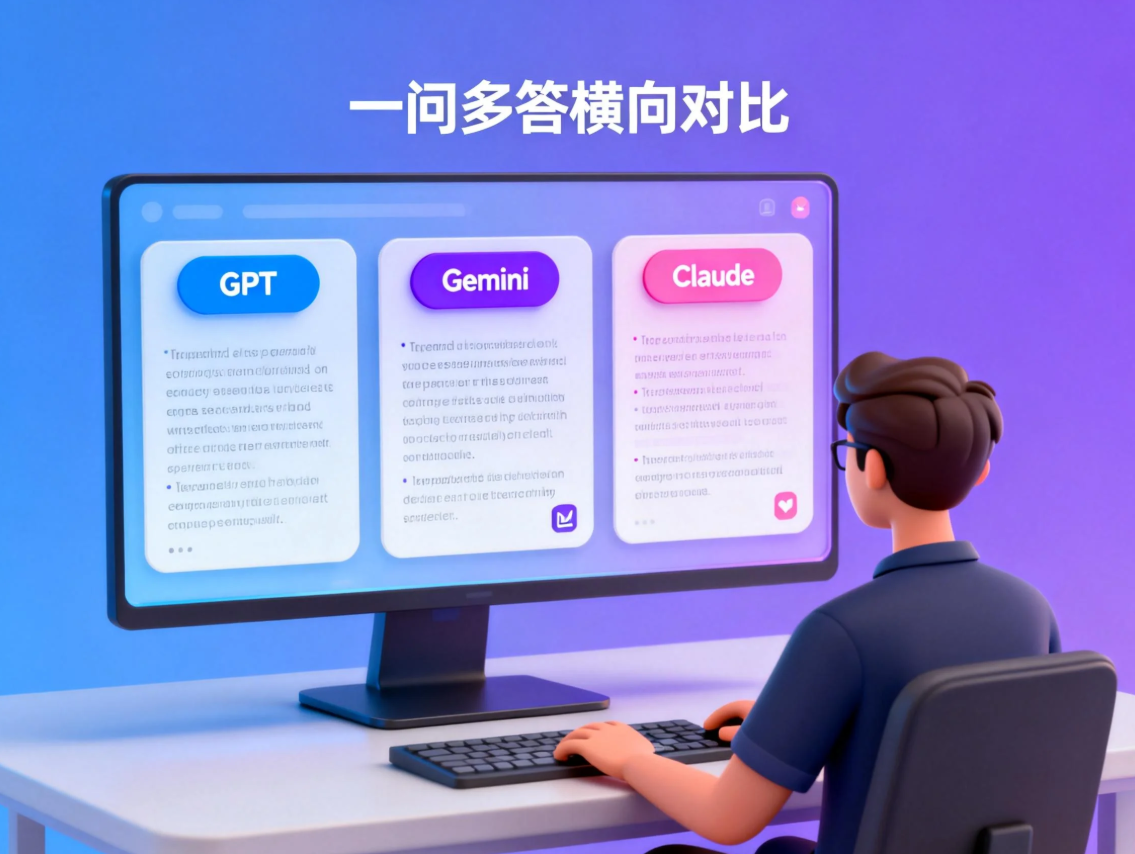
Still struggling with how to analyze a case study to get a high score? This article breaks down the standard case study framework using the "problem → analysis → suggestion" path commonly used by international students, provides directly applicable templates, and explains how DiffMind uses a multi-model perspective to help you quickly break down cases, complete the logic, and produce structured answers.