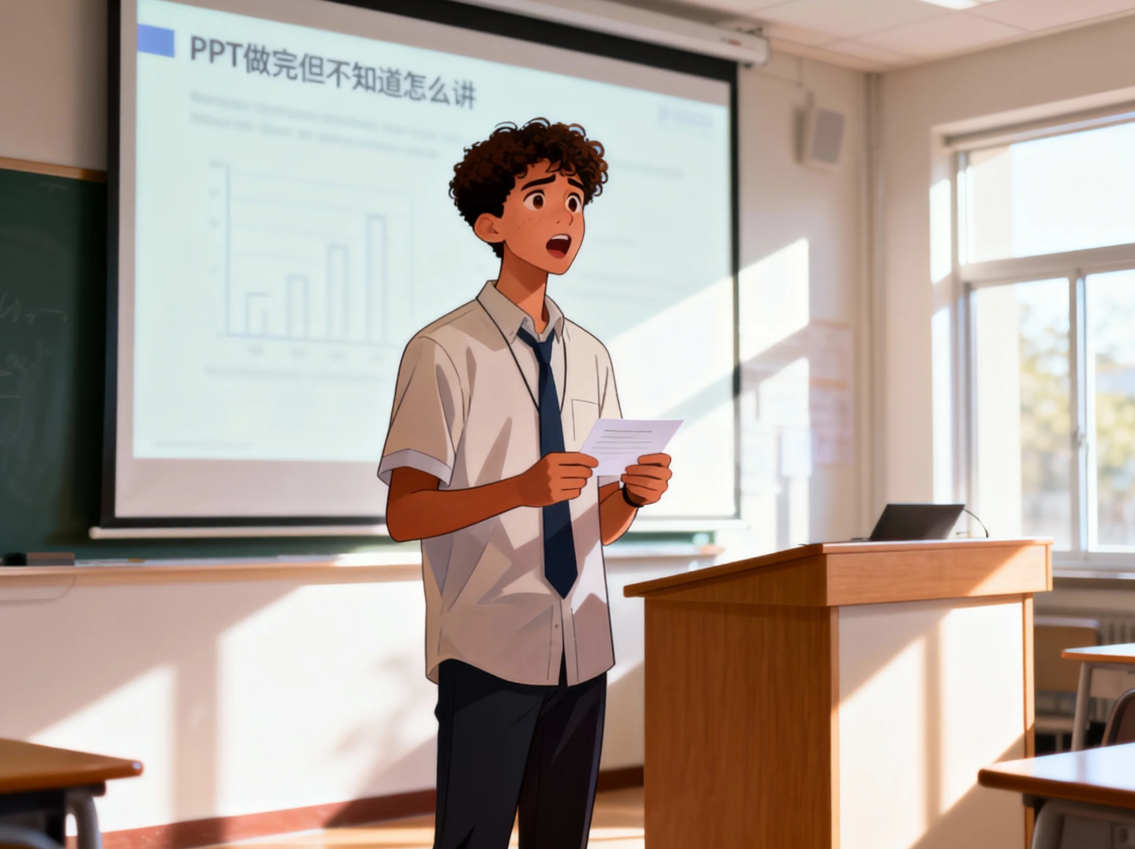
Presentation 不会讲?留学生如何搭讲稿逻辑:How to Structure a Presentation Speech(附可套用模板)

Struggling with presentations? How international students can structure their presentations logically: How to Structure a Presentation Speech (with templates)

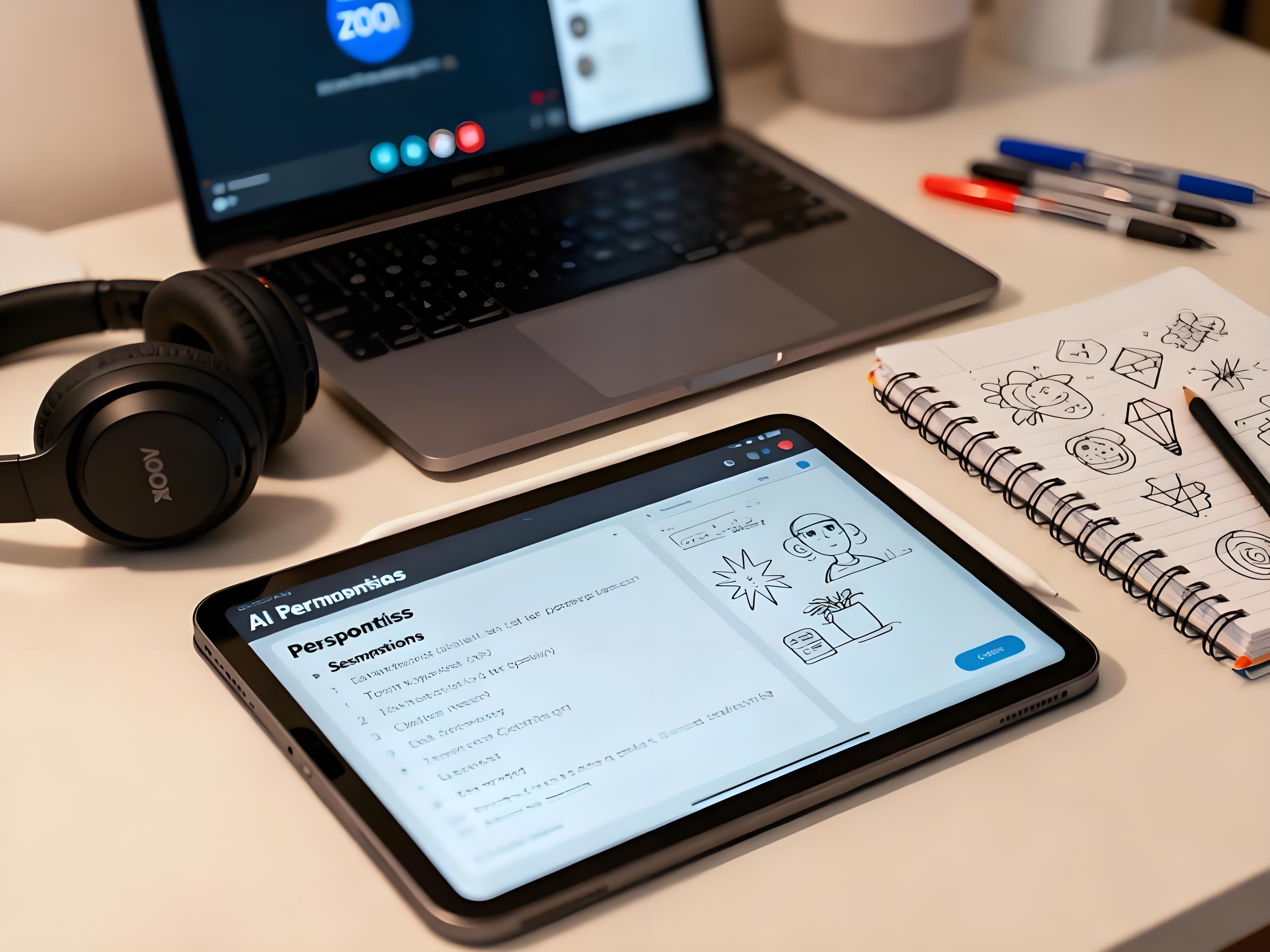
Finished your PPT but don't know how to start? This article uses "how to structure a presentation speech" as its main theme, breaking down the logical structure of presentations most commonly used by international students, providing more conversational and natural English expression patterns, explaining how DiffMind generates presentations from PPT, optimizes the order of expression, and simulates the narrative logic, and finally includes a set of presentation structure templates that can be directly applied.

Citation 插不进去?Reference 全乱怎么办:教你 how to add citations correctly

Can't insert citations? References all messed up: How to add citations correctly

The core reason why citations often fail to fit and references become increasingly messy during revisions is the inability to properly insert them when writing a paper. This article explains the role of citations in a paper, lists the most common citation insertion locations (which sentences must be cited, and which can be omitted), and provides an actionable citation workflow to help you logically determine when citations are needed, how to maintain consistent APA/MLA style, and how to reduce reference errors. It also explains how DiffMind helps reduce rework rates in the three steps of "citation location determination—style consistency—reference error correction."
老师 Feedback 看不懂?留学生如何高效修改作业

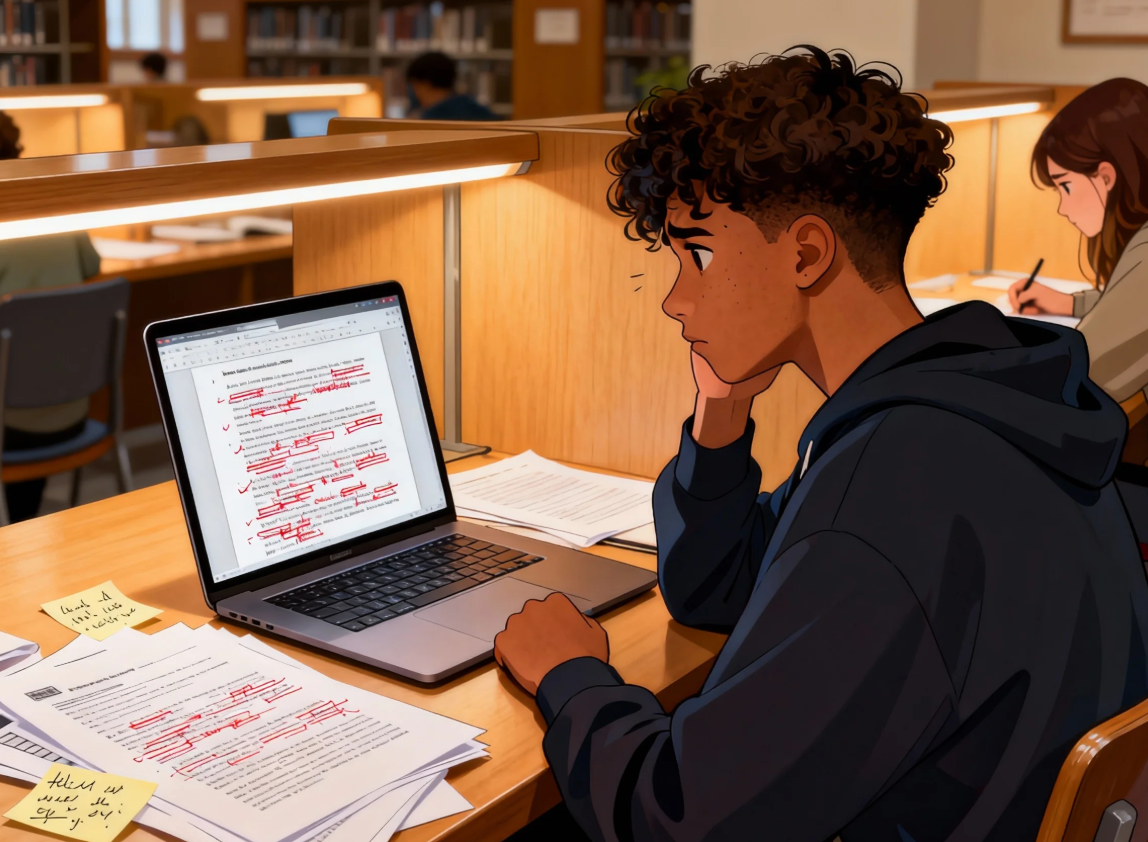
Can't understand the teacher's feedback? How can international students efficiently revise their assignments?

Many international students, when receiving feedback from their teachers, often feel this way: they recognize every word, but when put together, they don't know how to revise it. This article will first address this feeling of "understanding but not quite understanding," then break down common feedback types and provide a directly applicable "Feedback → Revision Actions" translation table to help you transform comments into actionable revision steps. It also explains how DiffMind helps interpret feedback, generate revision suggestions, and compare before-and-after versions. Finally, it includes a replicable revision checklist to truly teach you how to use feedback to improve your assignments.
Discussion 写不出来?不是你菜,是没方法|how to write discussion section 实用指南

Struggling to write an discussion section? It's not that you're bad at it, it's that you don't know the right method | A practical guide to writing discussion sections

The Discussion section is often the most challenging part, not because you "lack a point of view," but because you haven't mastered the method of "starting from the results and generating discussion along the argumentation path." This article clarifies the difference between Discussion and Analysis, provides three of the most common and reliable sources of discussion viewpoints, explains how DiffMind generates multiple perspectives, compares different discussion paths, and helps you choose the safest (most defensible, least likely to be criticized by the teacher) point. Finally, it includes a directly applicable Discussion template, solving the core problem of "how to write a discussion section."
Assignment Rubric Explained:Rubric 看不懂?留学生如何对齐作业评分标准

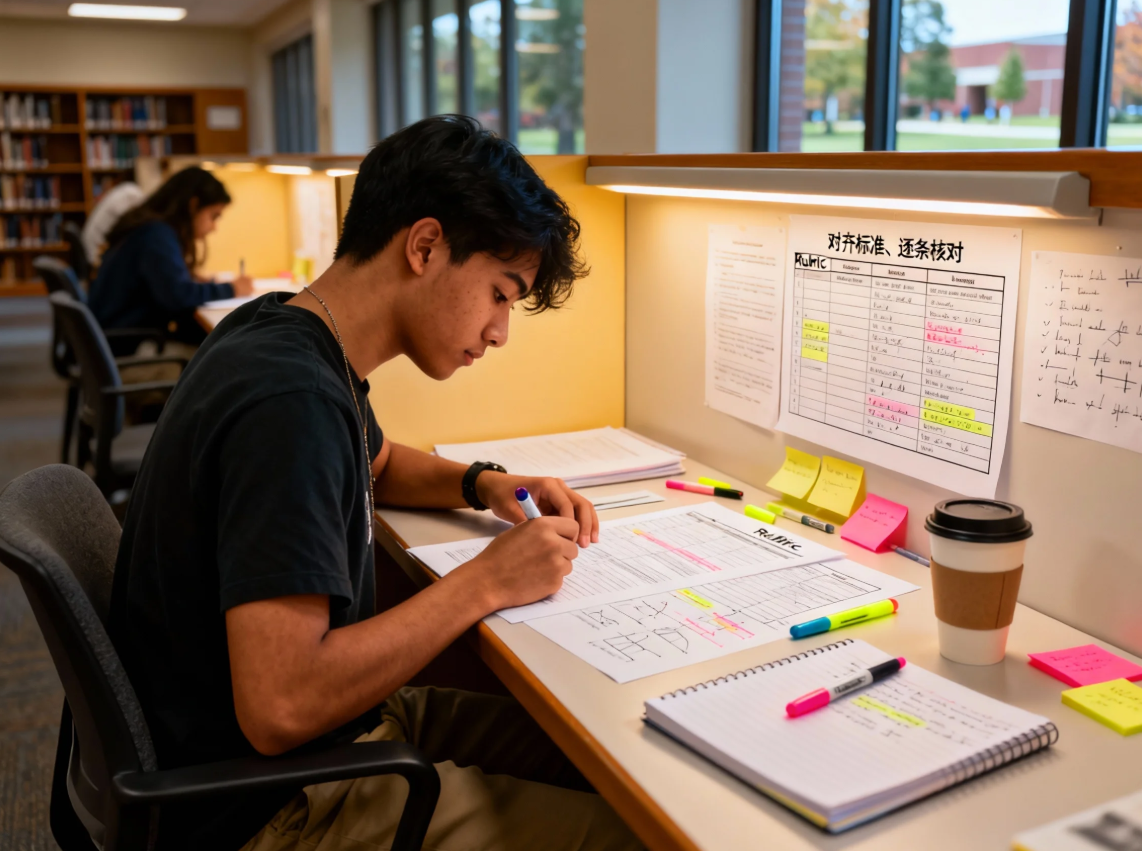
Assignment Rubric Explained: Can't understand Rubric? How can international students align their assignment grading standards?

Still unsure what your teacher wants after reading the rubric? This article uses real-life study abroad writing scenarios to explain common grading dimensions and provides translation templates and practical examples for "Rubric → Writing Task". It also demonstrates how to use DiffMind to break down the rubric, map it to the article structure, and check each point to ensure alignment with the grading criteria, helping you write more steadily and get higher scores more easily.
40 页文献看不进去?留学生如何高效读论文

Can't get through 40 pages of literature? How can international students read papers efficiently?

Overwhelmed by reading lists, with each paper 30-50 pages long, and the added burden of writing response papers and giving seminar presentations—many international students aren't "lacking effort," but rather using the wrong reading methods. This article first recreates the real-life scenario of "not being able to read," then breaks down three reasons why students can't get into a paper, and provides a "read only the key points" strategy (applicable to long academic papers, theoretical papers, and empirical papers). Finally, it introduces how DiffMind can quickly summarize papers, extract core viewpoints, and identify skippable paragraphs, providing a highly efficient reading workflow that you can directly follow to truly help you read academic papers fast.
Report 卡在结构写不出来?万能骨架与起步指南

Stuck on writing the report structure? A universal framework and a beginner's guide.

Open Word and spend half an hour writing only a title? What are the differences in structure between a report and an essay? This article is designed specifically for international students majoring in business, STEM, and social sciences. It provides a universal report writing framework and teaches you how to quickly generate an outline using DiffMind, breaking the deadlock of "not knowing where to start" and easily handling assignments.
Essay 完全没思路?DDL 当天急救指南:3 小时极速写作流

Completely stuck on your essay? Deadline emergency guide: a 3-hour rapid writing process.

Staring blankly at a blank document? Deadline only hours away and no ideas? Don't panic. This article breaks down the three fundamental reasons for having no essay ideas and provides a practical "3-hour emergency writing path." Combining brainstorming techniques from AI tools like DiffMind, it teaches you how to quickly break down the topic, build a framework, and produce a satisfactory assignment at the last minute, successfully saving your GPA.
留学文书写作指南:如何用DiffMind挖掘亮点、提升申请竞争力?

Study Abroad Application Essay Writing Guide: How to Use DiffMind to Uncover Your Strengths and Enhance Your Application Competitiveness?

Struggling to write application essays during application season? DiffMind's multi-model AI comparison workbench helps you deeply uncover your strengths, optimize your logical structure, and polish your language to a natural authentic style. A one-click comparison between GPT-5 and Claude 4.5 helps you create highly competitive essays.