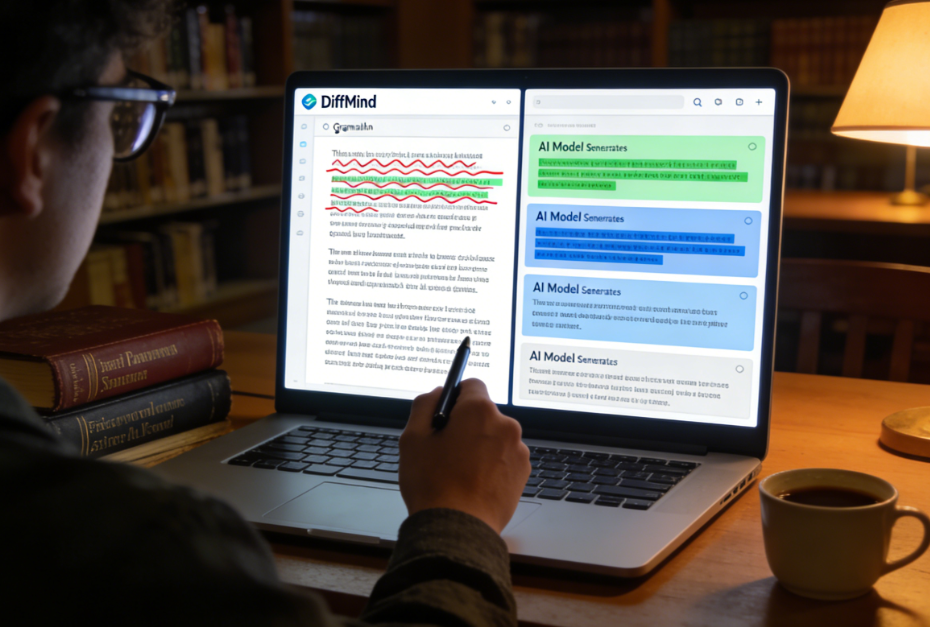
1) The most common contradiction in teams using AI: fast, but difficult to review.
The advantage of using AI to write content is the instant gratification of getting a draft. However, once it enters a team workflow, the following issues arise:
- Inconsistent interpretations: different people write the same concept differently, leading to more confusion with each revision.
- The basis is opaque: it seems correct, but nobody knows where it came from.
- Inconsistent style: one section reads like an announcement, another like a short video, and yet another like an academic paper.
- The cost of review has increased: supervisors or colleagues now need to spend time "analyzing for potential pitfalls."“
Therefore, what the team needs is not "more AI," but "more reviewable ways of using AI."
2) Multi-model comparison: Transforming "implicit judgments" into "explicit discussions"“
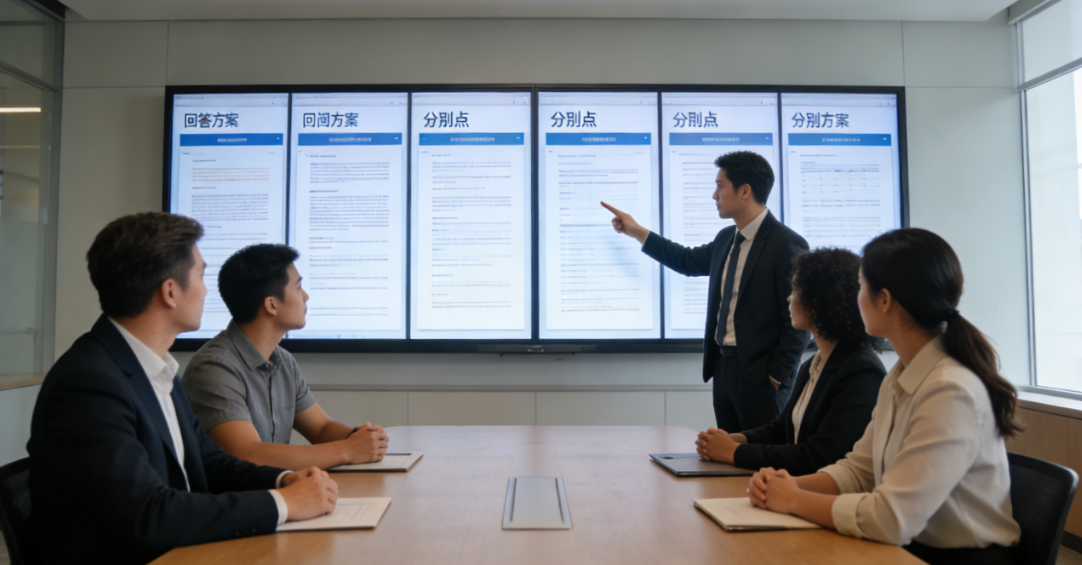
When multiple model answers to the same question appear side by side, team discussions become more specific:
- Where does the controversy lie? Is it the inconsistency in definitions, or the different assumptions?
- What constitutes consensus? What requires supplementary evidence?
- Which version is closer to the brand's tone or target users?
This can change the reviewer's opinion from "I think it's wrong" to "The premise here is invalid/There is a lack of evidence here/The style is incompatible here".
3) Three types of team scenarios, especially suitableDiffMindComparison
Scenario A: Solution Review and Alignment
For the same strategy problem, breaking it down into multiple models will reveal different emphases. The team can use this to quickly determine: which main approach to ultimately adopt and which points require additional data.
Scenario B: SOP and Knowledge Document Writing
The biggest fear in Standard Operating Procedures (SOPs) is omitting key steps. Comparing multiple models can help you discover: one model omits exception handling, while another emphasizes permissions and auditing, thus forming a more complete process.
Scenario C: Maintaining a consistent style for external content
Consistency is needed for brand communication materials (website introduction, product descriptions, FAQs). Having different models write their own drafts, then having the team select the baseline draft that best fits the brand's tone, and finally rewriting it all from scratch, is more time-efficient than starting from scratch.
4) A set of collaboration guidelines to ensure "teams can use AI without making mistakes" (recommended to be implemented immediately)
- Standardized Question TemplateThe question should clearly state the target audience, output format, and constraints.
- Compare first, then finalize.It is necessary to compare multiple models and identify consensus and disagreement.
- Disagreements must be verifiedIf there is a conflict between models, the process of "supplementing evidence" will begin.
- The person in charge is responsible for the final statement.Terminology, data, and conclusions are confirmed by the team leader.
- Preserve rewrite tracesReorganize using the team's own expression system, instead of directly copying existing content.
The significance of this set of standards lies in making AI controllable, auditable, and reusable when it enters team processes.
5) Conclusion: The essence of team efficiency is "reaching reliable consensus faster".“
Multi-model comparison brings all discussion materials together at once, reducing repeated communication and rework; more importantly, it puts "reliability" back at the center of the process. The best role for AI in a team is not to replace writers, but to provide comparable options, helping the team make clear decisions faster.