I. Why is writing the opening the most difficult part?
Most people get stuck on three things:
- Not knowing "where to start"—if too much background is given, the readers will leave.
- I don't know "how to arrest them"—there's no conflict, no stake in the deal, and no evidence.
- Unsure which style to use – WeChat Official Accounts, Zhihu, Xiaohongshu, and Bilibili articles all have different opening styles.
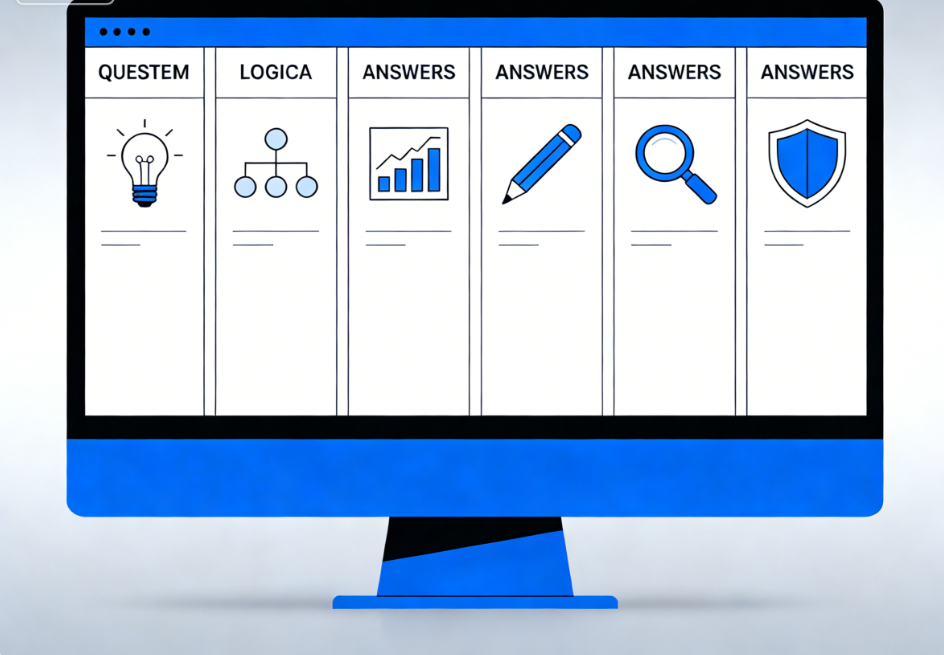
DiffMind's solution is:Get 6 routes at onceThe screen is used to compare which one is "most like the target platform, most resonates with the reader's emotions, and most matches the article's promises".
II. Use DiffMind Standard procedure for performing "same-screen comparison of 6-series"
Step 1: First, clearly state the "article information" (this determines the quality of the opening).
You only need to fill in 5 items, and the AI's starting point will be significantly more accurate:
- Subject: What is this article about?
- Audience: Who is this written for?
- Purpose: What do you hope readers will do after reading this?
- Platform: Where are you planning to send it?
- Style: Professional/Relaxed/Sharp/Gentle/Humorous
Step 2: Have 6 AIs write 6 different opening sequences.
Copy this prompt directly to DiffMind (it is recommended to run 6 models simultaneously on the same screen):
Prompt words (can be copied directly)
You are a senior content editor. Please write an opening for your article that will grab the reader's attention in 10 seconds.
Article Topic: [Fill in the blank]
Target audience: [Fill in the blank]
Publishing platform: [Fill in]
What does the article promise (what readers will receive): [Fill in the blank]
Restrictions: No background information, no empty talk, and no clichés like "in this day and age".
Please output 6 versions, each with 60-120 characters:
1) Story-based scenario 2) Data-driven impact 3) Counterintuitive viewpoint 4) Question-based empathy 5) Resonant rant 6) Checklist/commitment-based
Finally, provide the platform and reason for each version (in one sentence).
3. When comparing images side-by-side, prioritize selecting those starting with "Can be committed, can continue".
You can use these 4 criteria to quickly determine which line should be kept at the beginning:
- Hook clearly definedReaders will immediately recognize that "this concerns me."“
- Specific commitmentsCan you clearly explain "what you will gain from watching"?“
- The scene is imaginable: Scene, action, conflict
- It can naturally lead to the main text structure.: Not abrupt, not forced transition
Fourth, use questions to enhance the opening, refining a "good opening" into a "platform-appropriate opening."“
Send your 1-2 most satisfactory openings back to DiffMind and continue to ask follow-up questions (this step is crucial):
Template for follow-up questions (can be copied)
Based on the following starting point, perform four optimizations:
A. Shorter and more ruthless (40-60 words)
B speaks more like a real person (suitable for social media)
C. More professional and trustworthy (suitable for workplaces/knowledge platforms)
D. Enhanced visual appeal (adding specific details without being verbose)
It also provides three transition sentences for “how to naturally connect to the next paragraph”.
It begins as follows:
[Paste the beginning]
V. What will you ultimately receive (can be delivered directly)
- Six optional opening sequences (covering different styles)
- One optimal "final draft opening" + 3 transition sentences
- Multi-platform compatible versions with the same starting point (short, conversational, professional, visually appealing).
This is the advantage of having multiple models on screen simultaneously:It's not about reading more paragraphs, but about quickly selecting the paragraph that's "readable and will increase readership."