
I. Why are "multiple solutions to the same problem" more effective than "memorizing notes for a single problem"?
The answer provided by a single model typically addresses two issues:
1) The style is monotonous, like a template; 2) There is a lack of "follow-up questions" preparation.
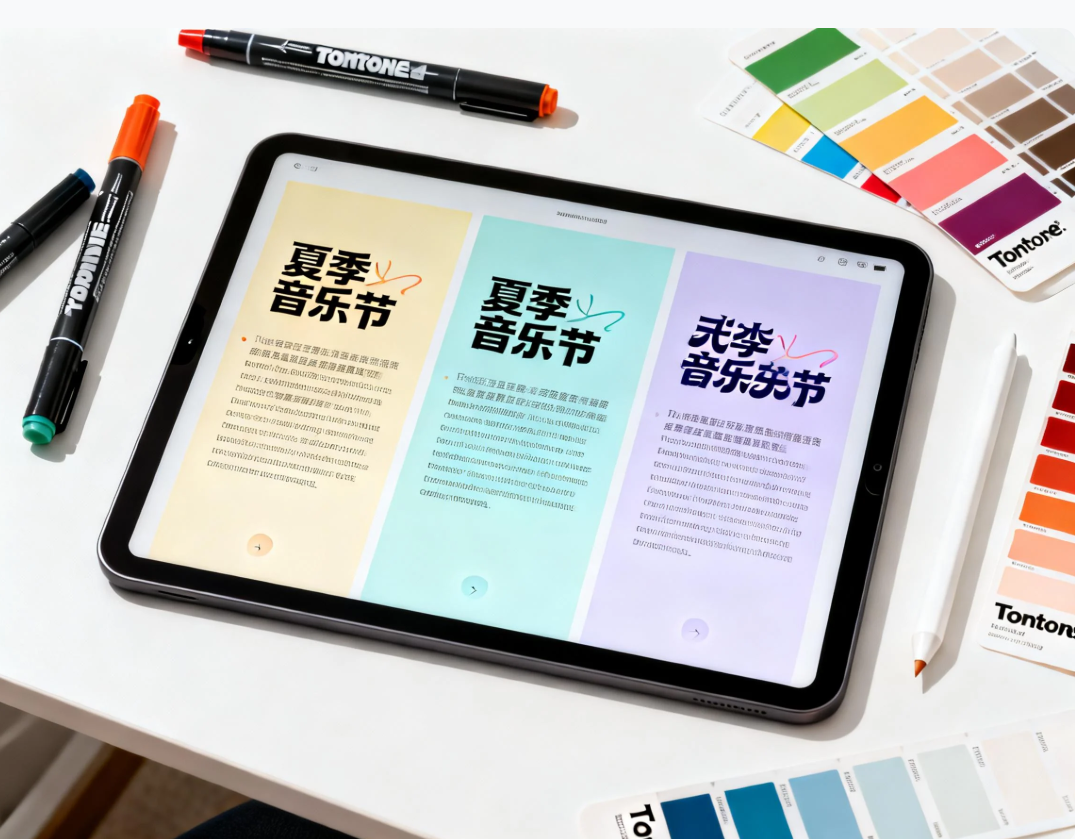
The value of DiffMind lies in:Break down the same problem into multiple solutions and present them on the same screen.You can immediately see the differences: Which one is more logical? Which one is more conversational? Which one has more solid data? Which one is more relevant to the job?
II. Practical Procedure: Using DiffMind Practice a problem until it's "usable in the actual test".“
Taking frequently asked questions as an example:“Tell me about an experience you had in resolving a difficulty/conflict.”
Step 1: Provide sufficient background information at once to prevent AI from writing incorrect text.
Clearly state your job title, the business scenario, and your scope of responsibilities. You can directly copy the following prompts:
My interviewed position: [Position]; Industry/Product: [Industry/Product]; Experience: [X years].
Please answer the interview question: "Describe an experience you had in resolving a difficulty/conflict."
Requirements: 60-90 seconds of oral presentation; clear structure; highlight the decisions and actions you made; provide 1-2 quantifiable results; conclude with a review and application of the lessons learned.
Step 2: Have the 6 AIs follow 6 different "answer routes"“ Assign the same problem to 6 AIs (or call multiple models simultaneously in DiffMind) and require them to use different strategies:
- STAR's Steady ApproachContext-Task-Action-Result: Suitable for general job positions.
- Three-point theory: First, the viewpoint (I did three things), suitable for consulting/operations/management.
- Value-oriented approachAlign business goals first, then make trade-offs; this approach is suitable for product/commercialization.
- Data Quantification RoadmapEmphasizing indicators, definitions, and comparisons, suitable for growth/analysis/technology.
- Storytelling routeThe conflicts are more specific and the transitions are more natural, making it suitable for markets, brands, and content.
- Risk control review routeEmphasis is placed on risk, compliance, and review mechanisms, making it suitable for B2B/finance/management positions.
Step 3: Select your "Best Combination" on the same screen.“ Don't choose the "most complete set," but rather "assemble the strongest set":
- structureChoose the frame that feels most comfortable to the touch.
- Highlight SentenceChoose the expression that best reflects your personality and fits your job description.
- numberConcentrate the quantitative results into 1-2 key indicators.
- Post-mortemLeave a growth point: "I'll do better next time."
III. Follow-up Questions Checklist: Upgrade your preparation from "being able to speak" to "being able to withstand questioning."“
Throw your completed answer back into DiffMind, and let six AIs each "ask follow-up questions" from different angles. Below is a ready-to-use follow-up question framework:
General follow-up questions
- What criteria did you use to make your judgment at the time? What alternative solutions were available?
- Why are you in charge of pushing this forward? What are your boundaries and responsibilities?
- How are the results verified? Are there any side effects or costs?
- If you could do it all over again, what would you do better?
Conflict-related follow-up questions
- When the other party is uncooperative, how do you communicate specifically? What do you say?
- How do you secure resources, align goals, and reach a consensus?
- If the other party is more powerful (superior/key stakeholder), how would you handle it?
Data-related follow-up questions
- How is the improvement you mentioned calculated? What are the metrics used?
- Is there a control group/AB/historical baseline?
- How do I stop the loss if the target isn't met? How should I set the threshold?
IV. The Last Mile: Generating Your "60-Second Speech Script + 10-Second Summary Sentence"“
Let DiffMind perform a question enhancement exercise:
- “"Rewrite my answer to be more conversational and more like a live performance."”
- “"Concentrate the key figures into one sentence"”
- “"Please provide a 10-second summary sentence suitable for concluding the essay."”
You will eventually get:A short, retellable script + a set of follow-up questionsThis will significantly increase the efficiency of your interview practice.